 Polle de Maagt
 Polle de Maagt
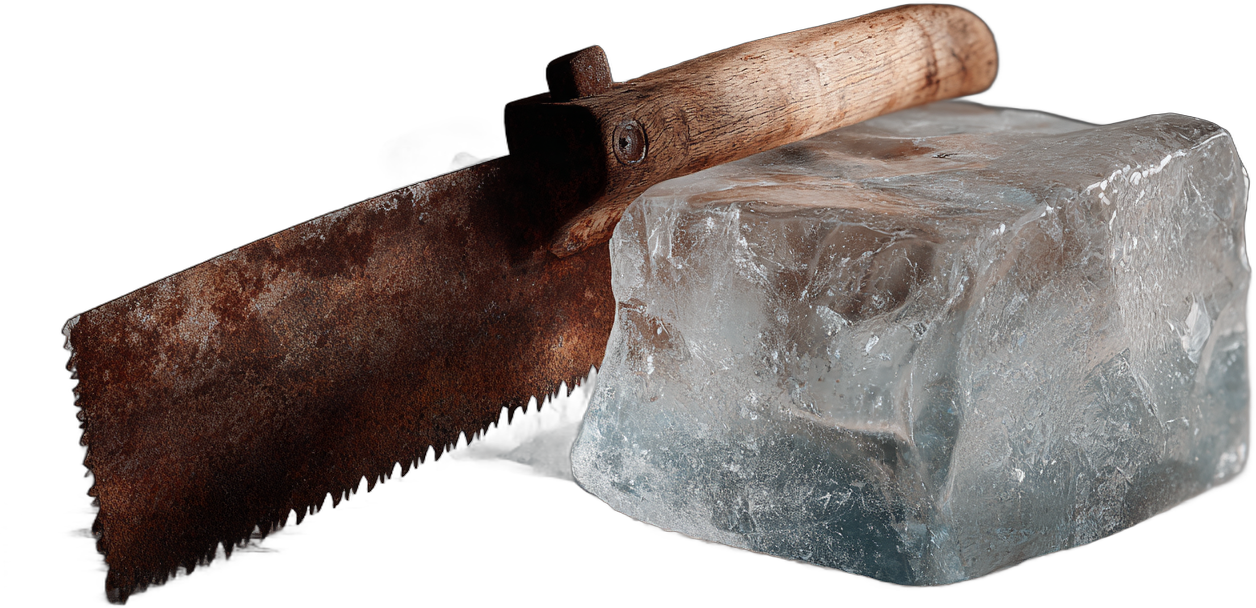
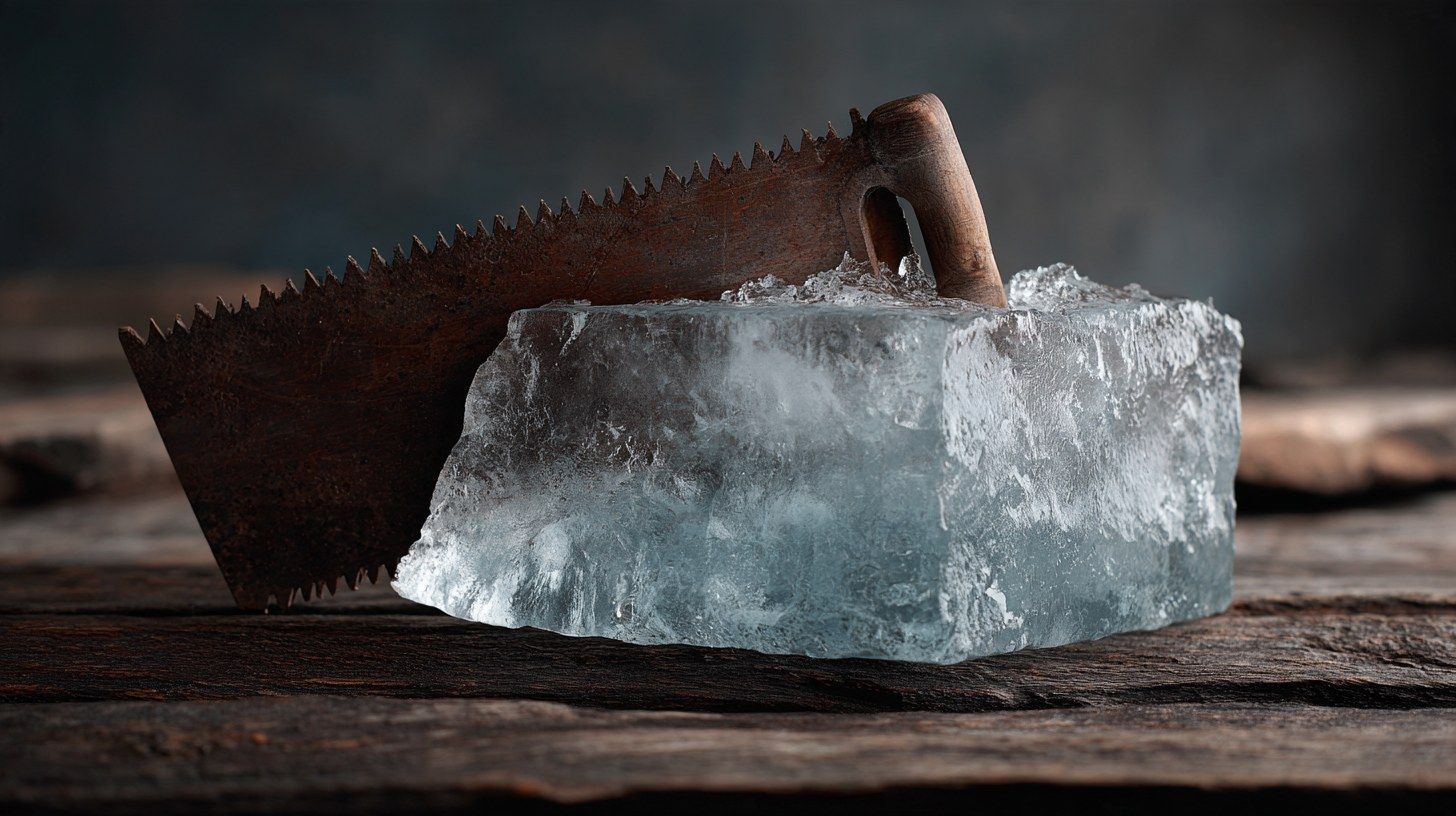
Years ago I came across a story Guy Kawasaki tells about ice. I posted it in 2020. It still holds, so here it is again: shorter, and with an ending for 2026.
In the 1800s, ice was a business. Companies cut blocks from frozen lakes in New England and shipped them around the world, as far as India. Then came the ice factories: you could make ice in any city, in any season. Then came the refrigerator, and nobody needed to buy ice at all.
The ice harvesters saw the factories coming. They answered with what they knew: better saws, better storage, better transport. Every improvement was real. None of it mattered.
The need never changed. People wanted cold food and cold drinks. Only the way of meeting that need changed. Twice.
The ice harvesters are not alone. Lamplighters lit the streets every evening until electric street lights switched on by themselves. Telephone operators connected every call by hand until exchanges did it automatically. Knocker-uppers tapped on windows to wake people for work until the alarm clock moved into the bedroom. Light, a connection, waking up on time: the need stayed. The job around it went.
What is your better saw?
Every organisation has one. The project that makes the current way ten percent faster, while the question underneath gets answered somewhere else. It feels like progress, because you can measure it. On the old curve.
AI could be the refrigerator. Most use it as a better saw.
It happens with every new technology. When social media arrived, most brands used it as one more place for ads. A better saw. The few that used it to actually talk with their customers found the refrigerator. AI is just the latest round.
For a lot of companies, the moat was never that their work was hard to copy. It was that the work was tedious, and nobody thought the niche was worth the effort. Alex M H Smith calls it exactly that: tedium was the moat. AI makes tedious work cheap, and the moat drains.
That makes AI the refrigerator. But look at how most organisations use it: faster decks, faster mails, faster everything. Better saws. The refrigerator only shows up when someone asks which need you’re meeting, and what meeting it looks like when the tedious part costs almost nothing.
Jumping the curve is a people question.
The ice harvesters did not lack information. They lacked the ability to let go of what they were good at. A tool does not fix that. People fix that: people who are allowed to try the next curve while the old one still pays the bills.
I see the cheese slicer everywhere right now, and AI hasn’t changed that. Organisations look for the small increments, not the big breaks. Take presentations. Making a deck has never been easier, so there are more decks than ever. Most of them are elevator music. It solves one problem and creates another, because nobody stopped to ask what is really going on. That question is the real work, and it’s why I keep a list of good questions.
Pick the improvement project that gets the most attention right now. Ask two questions.
- Zoom in: what does it deliver this month that you can see or count? If you can’t name it, it’s not a better saw yet, it’s a plan.
- Zoom out: what need is it meant to meet? Would you still build it this way if the tedious part cost nothing?
If the first answer is clear and the second makes you uncomfortable, you’ve found your better saw.
Updated by Polle in October 2026. First published in April 2020, built on a story I first shared in 2008. Shorter now, and with what the story means once AI is in the room.
Sources: Guy Kawasaki, “The Art of Innovation” (TEDxBerkeley, 2014). Alex M H Smith, “Tedium was the moat”, basicarts.org. Goes well with: Ripples, not trends.