 Polle de Maagt
  Polle de Maagt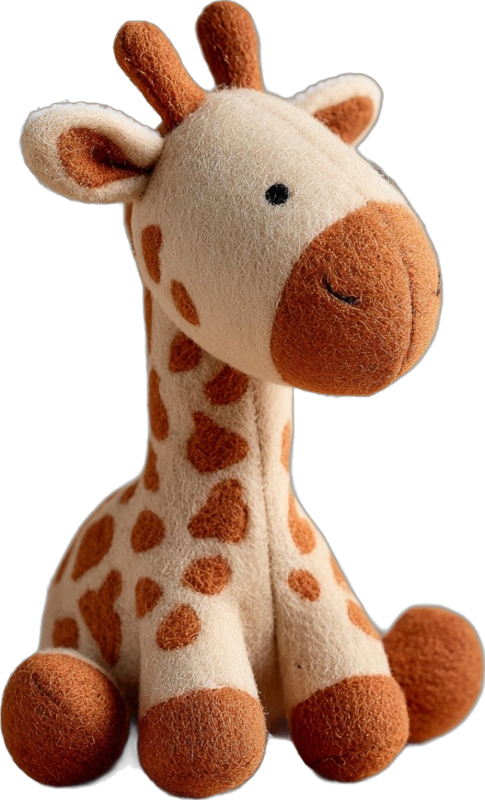
Story.
Chris Hurn’s wife and children had spent a few days at the hotel while he was away on business. When they got home, they discovered that his son’s beloved stuffed giraffe, Joshie, was missing.
His son was distraught at the thought of sleeping without him.
Chris told him a small lie: Joshie was fine. He was just taking an extra-long holiday at the resort.
That night, the hotel called. Joshie had been found in the laundry and handed to the Loss Prevention Team.
Chris explained what he had told his son. Could they take a photo of Joshie on a lounge chair by the pool, to make the story believable?
They said yes.
What they did.
A couple of days later, a package arrived. Joshie was inside, along with some hotel goodies and a binder documenting his extended stay.
There was Joshie wearing sunglasses by the pool. Getting a massage at the spa. Making friends with other animals. Driving a golf cart on the beach.
He had even been given a hotel ID badge, made an honorary member of the Loss Prevention Team and photographed in front of the security monitors.
Chris and his wife were amazed.
His son? Mostly just happy to have Joshie back.
That detail matters. The parents loved the extra effort. The child wanted his giraffe. The team delivered both.
Why it works.
The request was not simply “send back a lost toy.”
It was “help me reassure my son.”
The team picked up on that. They did not invent an unrelated surprise. They built on the story Chris had already told.
A poolside photo would have fulfilled his request. The album carried it further. Each picture made Joshie’s holiday a little more believable, and the gesture a little more personal.
They did not just return a toy. They helped a father keep his story going.
Chris wrote about the experience on HuffPost. In his account, he said the hotel could count on his family returning, and he wanted to tell others what had happened.
The act gave him something to share. That is the useful part of this story. Not “make a photo album for every lost toy.” Not “surprise every customer with something elaborate.”
Listen for what matters in this particular situation. Then do something that fits.
Try it yourself.
- Understand the request behind the request. What is the person worried about? Returning an object and reassuring a child are not quite the same task.
- Build on what they tell you. The holiday story came from Chris. The team listened and made it tangible.
- Get the basics right first. The album was an extra. Joshie still needed to get home.
Take one recent customer request. Write down the practical task and the human concern behind it. What small, specific act could address both?
Permission to do something personal.
Joshie’s holiday is in line with the thinking behind Ritz-Carlton’s $2,000 rule: give employees the authority to respond to a guest’s needs and create something personal, rather than only follow a script.
In a Forbes interview, then-president Simon Cooper described allowing every employee to spend up to $2,000 per guest, per incident, without approval from the general manager. Not only to fix problems, but also to create an outstanding experience.
The connection here is the principle, not a claim about how Joshie’s holiday was funded. Chris’s account does not say whether the budget was used.
Source: Chris Hurn, Stuffed Giraffe Shows What Customer Service Is All About, HuffPost, 17 May 2012. Related service principle: Simon Cooper’s interview in Forbes, How Ritz-Carlton Stays At The Top, and Ritz-Carlton’s Gold Standards. Giraffe made with Midjourney.