 Polle de Maagt
  Polle de Maagt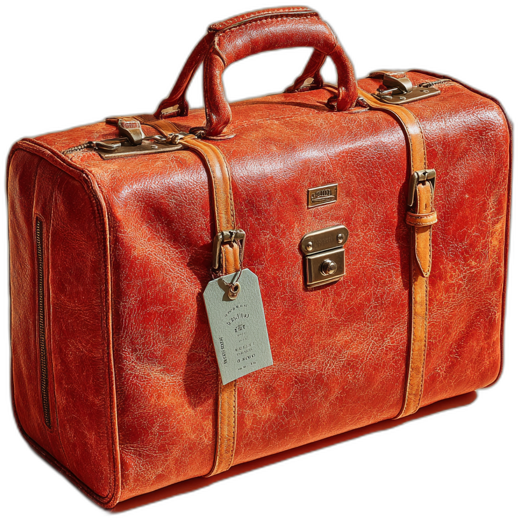
Every brand I work with wants to be talked about. Most of them try to get there by talking more: a bigger campaign, a louder claim, another channel. It rarely works, and it gets more expensive every year. The brands people actually talk about did something first.
Where it started.
In April 2010 I started a blog post I never finished. It was called Advertising of proof. Everyone was busy with social media strategies and Facebook fan pages, and I thought they were missing the point. It was never about the channel. It was about having something worth sharing.
Brands commit a controlled act of remarkableness.
That was the core of the draft. Do something small and remarkable, and let the media carry it, instead of buying the attention and filling it with claims. I broke it down into four steps.
Do something remarkable.
Small, real and a little unexpected, so it feels genuine and the people in it feel special.
Record it.
Video, photos, whatever the people who were there make themselves.
Cut it into shareable pieces.
A film, a photo, a page, a post.
Feed the conversation.
Put the pieces where people already talk, and let them carry it.
The examples of the day were the Coca-Cola Happiness Machine, Volkswagen's Fun Theory and Heineken's fake classical concert during a Champions League match. Clever, all three. But reading the draft back now, I was still thinking like an advertiser. The act was a stunt, made to be filmed.
The suitcase.
Later that year KLM ran KLM Surprise. Passengers who had shared on social media that they were flying KLM got a small, personal gift at the airport. It was fun, it was human, and people talked about it. Then this tweet came in:
fix the suitcase first
“@KLM wow, I just love your new #KLMSurprise campaign … but where is my suitcase?!?”
That tweet moved the idea from the campaign to the company. No surprise makes up for a missing suitcase. The act that matters most is the one customers run into every day: the bag that arrives, the question that gets answered, the bill that is right. Everything else is decoration on top.
That is where acts, not ads stuck for good. Not a smarter way to advertise, but a different place to put the money and the energy: in what you do.
How I use it now.
It has become the lens I bring into every strategy. A few questions I keep asking:
- Before briefing a campaign: what act could replace it, or give it something true to say?
- When a complaint comes in: is this a PR problem to manage, or an act waiting to happen?
- When choosing where to invest: does this make us better to do business with, or only better known?
- The hard test: if our marketing stopped tomorrow, would customers notice a difference in their day?
Take your next campaign brief. Cross out the message, and write down the one thing you could do instead.
Based on my unpublished post Advertising of proof (April 2010). The KLM Surprise tweet is quoted from my notes.