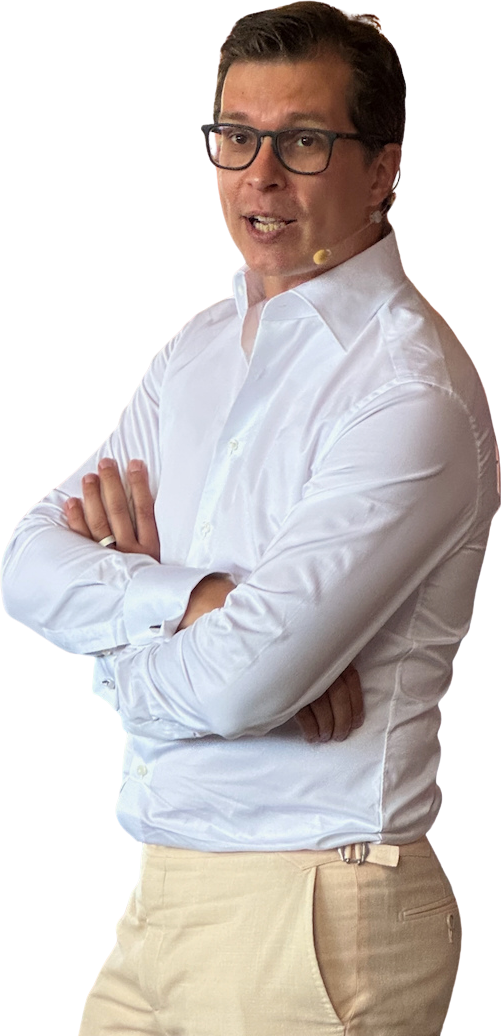
 Polle de Maagt
  Polle de Maagt
That small change in language has stayed with me longer than most meeting advice.
A different word. A different expectation.
I do not know exactly when my obsession with better meetings started. But an exchange between Noah Glass and Phillip Torrone gave it a particularly useful name.
In the conversation, from 2006, Glass apologised for cancelling their get-together and proposed a replacement for meetings:
Doings! from now on we are only going to have Doings. At Doings you actually get stuff done.
Meetings, in his words, could go. Less politely put.
Torrone replied with his own, rather extreme, rule: there should be five blog posts, thirty minutes of audio or video, or art afterwards. Otherwise it was a waste of time.
I would not adopt his quota. But I like the question underneath it.
What will exist after we get together that does not exist before?
Start with what you want to leave with.
“Discuss the customer experience” tells you the subject. “Rewrite one customer email together” tells you the work.
“Catch up on the project” leaves the purpose open. “Choose which two things we will stop doing this month” gives the room a decision to make.
Changing the title alone does not change the meeting. But deciding what you want to leave with changes how you prepare, who needs to be there and what you do together.
You might need a draft, not a deck. The people who can make the decision, not everyone who might be interested. Time to work on something, not another round of updates.
A doing is not a meeting followed by work. The work happens in the room.
Coolblue called it “Gewoon Doen”.
Coolblue had a name for this that fitted its brand promise: “Gewoon Doen”. Just do it.
The meeting brought together the direct reports of the CEO and CFO. A big meeting with senior people, which could easily have become a long conversation about everything that needed another conversation.
But the objective was concrete action, not endless talk.
That made preparation important. If you want a room like that to act, people need to arrive prepared to make decisions and move things forward. The meeting cannot be the first time everyone starts thinking about the subject.
“Gewoon Doen” was a useful name because it set an expectation before anyone entered the room. Not just a phrase attached to the brand, but a way of working inside the company.
The name was not the whole idea. The preparation and the focus on action had to make it true.
Not everything needs an output quota.
Sometimes the purpose of getting together is to listen. To understand a disagreement. To rebuild trust. Not every useful conversation needs a document at the end.
The point is not to turn every human interaction into a production target.
The point is to stop confusing a full calendar with progress. If we have gathered to make something, decide something or solve something, why postpone that work until afterwards?
Try it in your next meeting.
Before sending the invitation, finish this sentence:
“By the end, we will have…”
A decision. A first version. A problem we understand well enough to act on. Pick something specific enough that everyone knows what they are there to do.
Then design the time around it. Put the draft on the table. Work on it together. Leave with the result, not just an agreement to arrange another meeting.
Take one recurring meeting and replace its topic-based agenda with one thing you will finish together. Keep the time slot. Change what happens inside it.
Meet less is not always the answer. Sometimes the answer is to do more while you are together.
First published in 2006; rewritten in October 2026. The exchange above is quoted from my original post. The practical examples are applications of the idea, not claims about that original conversation. Related: On being late for meetings.