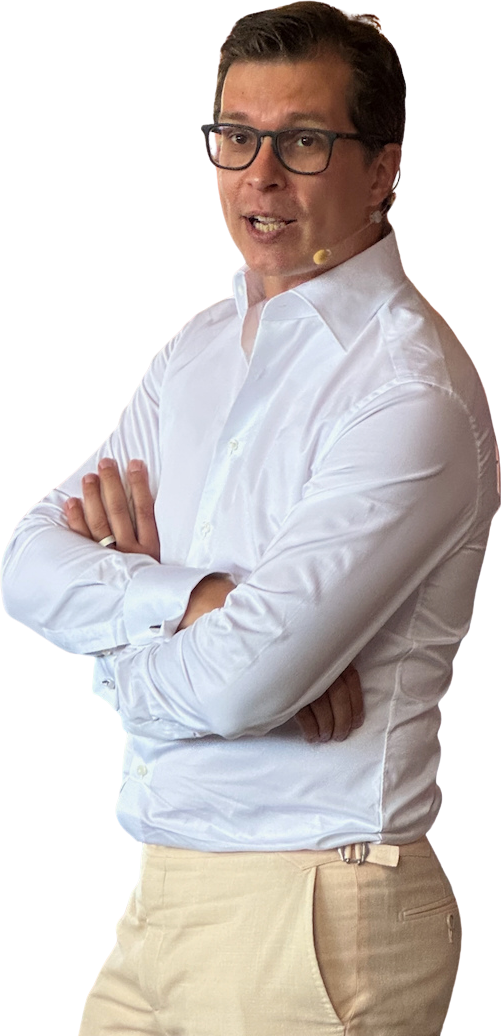
 Polle de Maagt
  Polle de Maagt
I still use these eight rules as a sanity check for every meeting.
The eight rules.
Based on the chapter on meetings in Hoe vang ik een rat? by Richard Engelfriet and Peter van der Geer (2004), which I wrote about on this blog the same day, and my own experience:
- Don’t talk about agenda items. Talk about proposals.
- Don’t ask for reactions. Ask for improvements and solutions.
- Structure · 12 to 15 minutes · Members1-2-4-All.Gets everyone in the room thinking and talking, in twelve minutes.Rein in the talkers in time; encourage the quiet ones.
- Make participants owners of agenda items.
- Stay on the main track; note side issues under any other business.
- Close each agenda item with: who does what, by when?
- Limit the meeting minutes to a list of decisions and actions.
- Time is time.
One trick from the original, kept for the record: sit with daylight behind you, near the chair.
What they add up to.
The first two rules move a meeting from reactions to proposals. An agenda item invites a discussion. A proposal invites a decision, and gives people something to improve instead of something to react to.
The other six are about airtime, ownership and how an item ends. Who owns it, who gets to speak, and what is left on paper afterwards: a name, a date and one line in a short list of decisions.
What I would add now.
The rules start once people are in the room. I would start earlier, with one question: does this work need people together at the same time? Move simple updates and early opinion-gathering to a written, time-boxed exchange. Keep live time for decisions that need discussion, disagreement, creative work or connection. Async is not “no meeting”. It still needs context, an owner, a response window and a place where decisions land.
If you do meet, write the agenda as questions or proposals, say what the group should leave with, and name the decision-maker and the advisers in advance. That makes rule 1 easier to follow, and makes clear who is there to decide and who is there to contribute. Better still, plan a doing instead of a meeting: decide what will exist afterwards that does not exist now.
At the close, keep rule 6 and add a short “still open” list: objections or questions you parked, and who will resolve them. The minutes stay a list of commitments, not a transcript, and the next meeting starts where the work stopped.
Afterwards, ask three questions: what did this achieve, what did I notice, what will I change next time? Use the answers to change the format, the preparation, the people or the rhythm. Or stop meeting, if another route works better. More in Reflecting on meetings.
Rewrite your next agenda as proposals: one line per item, saying what you want decided.
Based on my original post Vergadertechnieken, 17 January 2006, rewritten in October 2026. Book: Richard Engelfriet and Peter van der Geer, Hoe vang ik een rat? (Uitgeverij Pepijn, 2004).