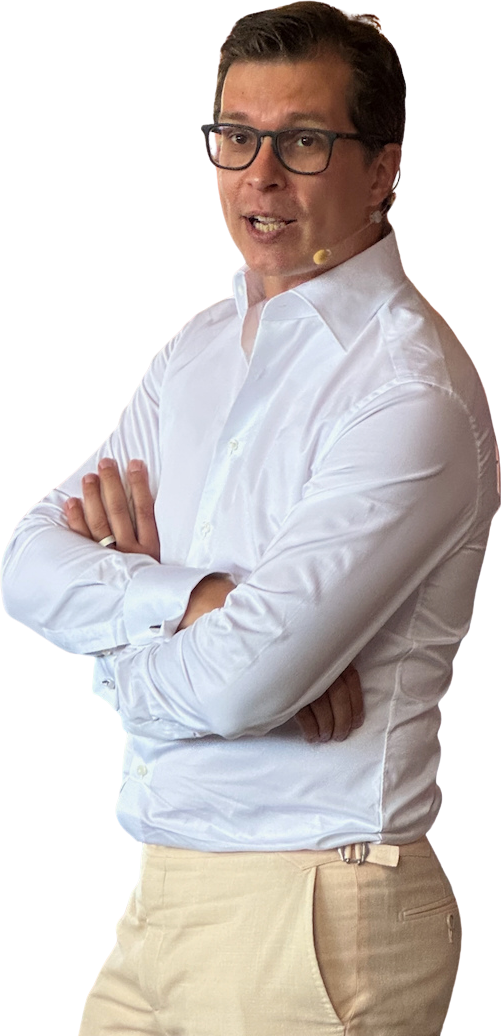
 Polle de Maagt
  Polle de Maagt
Start on a beer mat.
A beer mat, a napkin or a scrap of paper will do. Before a meeting I sketch a simple empathy map of the person I am about to meet: what do they say, think, feel and do? It does not need to be complete. It needs to put me on their side of the table.
Three questions turn that sketch into preparation:
- What is happening in their world right now? A new role, a hard decision, a project that is stuck, pressure to deliver.
- What matters to them? What would make this conversation useful, what worries them, what is at stake for them?
- What can I do? Bring an example, remove a risk, ask a better question, or give them room to explain.
Reflection · 3 min read95% right. 100% wrong.Personalisation fails when a system knows the account but misreads the…Keep what you know apart from what you guess. An empty corner of the map is a question to ask, not a gap to fill with a convincing story.
Speaking to a room? Then it is not one person. The person who decides, the person who does the work and the person who carries the risk need different things. The story-audience matrix helps there.
Better tools. Same job.
In 2006 I prepared with Google, Technorati, Hyves and a final round on LinkedIn. The idea still holds: spend real time understanding who you will meet. The advice I got back then was to spend as long preparing as you expect the conversation to last.
Recent posts, interviews and talks show what someone chooses to talk about. Company news shows the situation around them. Your own notes from earlier conversations often beat another hour of searching.
AI can help you work through it. Give it a set of public posts and ask for recurring topics, stated priorities and questions worth asking. Ask for the passages behind each suggestion, and make it separate observations from guesses. You want a few clues, not a dossier.
Tools such as Crystal offer personality and communication-style guidance based on LinkedIn profiles. Treat that as a hypothesis, not a verdict. And leave private details out: use only what you are entitled to use.
Turn it into something useful.
Research only earns its place if it changes what you do.
- Look back first. Read the last notes or mails. What did you promise? What is still open?
- Map the pressure. What are they responsible for, what are they judged on, who else is involved?
- Ask someone who knows the context. Context, not gossip.
- Ask them directly. “What would make this conversation useful for you?”
- Change what you bring. If they worry about a risk, more slides on the opportunity will not help.
Reflection · 4 min readGood questions, good invitations.One good question can lay bare the problem underneath, and with it the solution.Then check your assumptions in the room: “My understanding is that this is the hard part. Is that right?” Being prepared does not mean you know the answer. It means you start with a better question.
One-nil up, or a better conversation?
The old title makes preparation sound like a competition. I care more about making the time together worth it. The tools help. The beer mat comes first.
Before your next important meeting, write three lines on a scrap of paper: what matters to them, what you can contribute, and what you still need to ask.
Based on my original post 1-0 voor in het gesprek, 15 February 2006, rewritten in October 2026.