 Polle de Maagt
  Polle de Maagt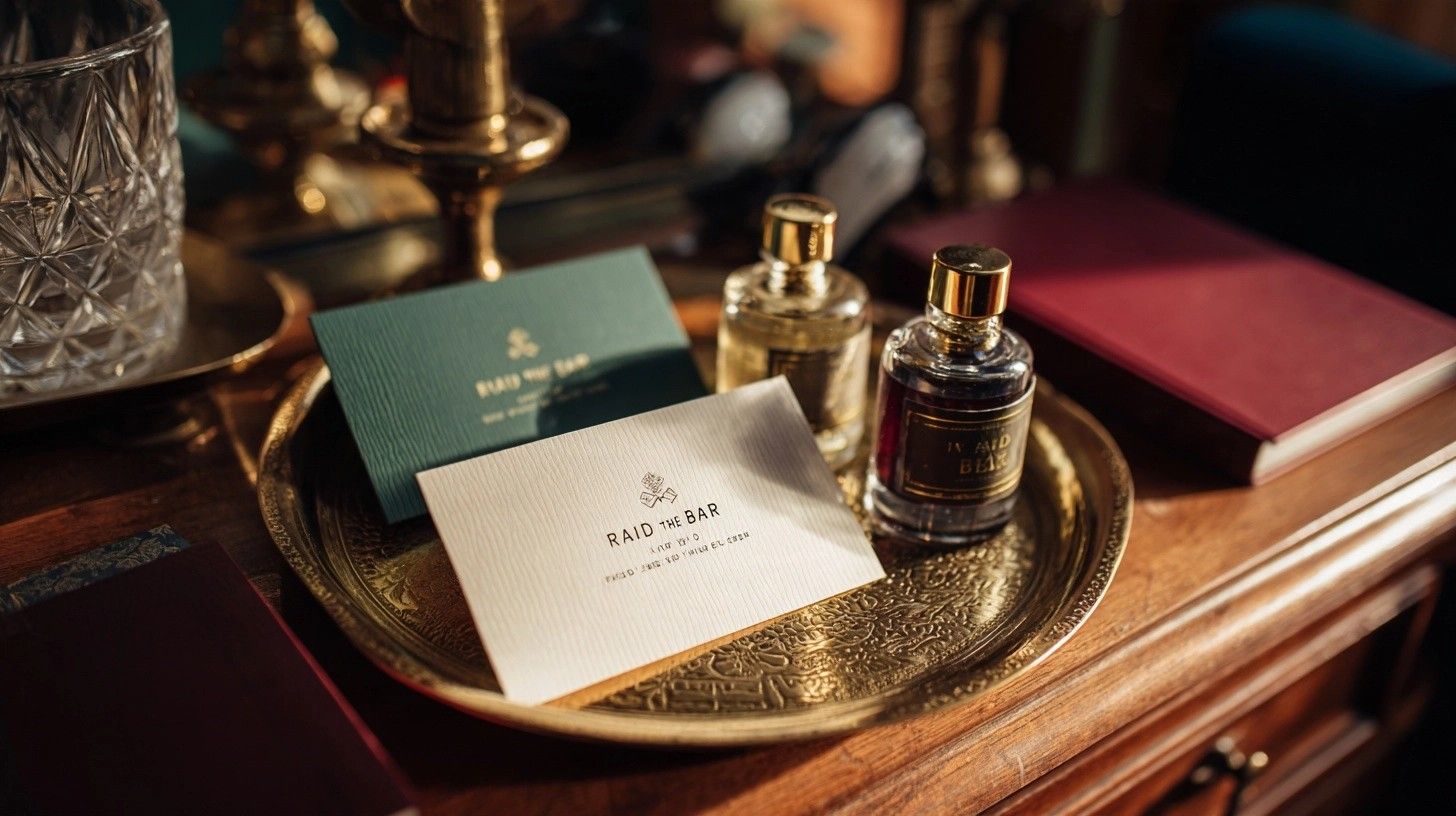
Story.
I travel a lot. In 2018, I stayed at two different Kimpton hotels: Kimpton Fitzroy in London and Kimpton De Witt in Amsterdam.
Kimpton had several remarkable acts of hospitality. One of the smallest was a bar credit for loyalty members. Guests could use it for the minibar or at one of the hotel bars.
The amount was useful, but not remarkable.
The name was.
Raid the Bar.
Those three words changed the benefit. A bar credit sounds administrative. Raid the Bar sounds like permission to do something slightly mischievous.
The execution helped. The benefit did not disappear into the small print of a loyalty programme. It arrived on a carefully designed card. At both hotels, the card made a routine credit feel like a small event.
I remember the name and the card years later. I do not remember most of the points, tiers or discounts attached to the same stays.
What they did.
Kimpton took a functional loyalty benefit and designed the whole moment around the behaviour it wanted to unlock.
The value stayed small. The name made the action clear. The physical card made it visible. The hotel bar and minibar made it immediate.
Nothing needed explaining. The guest knew what to do.
Why it works.
Most loyalty programmes name the mechanism: credit, reward, points or status. Kimpton named the behaviour.
That matters because people do not experience a benefit as a line in a programme. They experience the moment it creates. “Bar credit” describes the transaction. “Raid the Bar” gives the guest a role in a tiny story.
It is also easy to retell. “The hotel gave me credit” is information. “The hotel told me to raid the bar” is a story.
A benefit does not become memorable because it is expensive. It becomes memorable when people immediately understand what they can do with it and enjoy telling someone about it.
Try it yourself.
Look at one useful but forgettable benefit in your customer experience. Do not change its value yet. First, rename it after the behaviour you want to unlock.
A late checkout can become permission to sleep in. A free sample can become a first taste. A service credit can become a small mission.
The test is simple: would a customer use your name when telling someone else about the experience?
Take one benefit currently described with an amount or programme term. Give it a name that starts a story.
Source: my stays at Kimpton Fitzroy and Kimpton De Witt, and my original post “Kimpton ‘Raid the bar’: free bar credit done right”, published in December 2018. Programme eligibility and amounts may have changed.