 Polle de Maagt
  Polle de Maagt
Approximately 2% of your customers will rip you off. They will game your system. They will do everything to take money from your pockets. They will lie to you. Cheat on you. Pretend they’re angry. Neglect you. Won’t pay. Complain about you out in the open, just to put you under pressure. They will demand to speak to your boss. Will yell at you and ask you if you know who they are. Well, you get the idea.
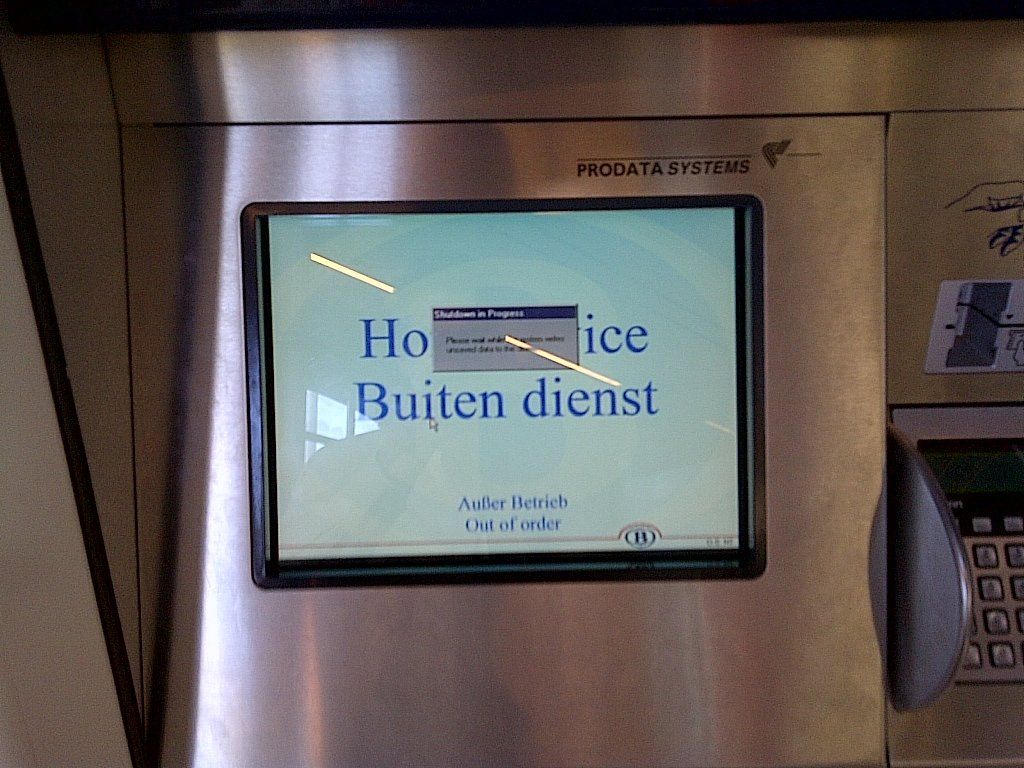
I was reminded of this last week when I tried to buy a ticket at the Gent train station. I went to the NMBS ticket machine, selected a train ticket to Brussels and paid by bank card. However, the machine failed to print and went out of order. I had no choice but to go to the ticket counter. The service employee there said he couldn’t help me, couldn’t give me my money back and handed me a standard contact form to send to the NMBS headquarters to complain.
The employee was able to see the out-of-order message on the machine from his counter (that would at least strengthen my case), I was wearing a suit (I guess that would make me a more trustworthy person in some people’s minds) and over the last year, I bought tickets from him at least 15 times (he could have recognized me, there aren’t so many Dutch people buying tickets to Amsterdam every week at 6:00 in the morning). But all that wasn’t enough for him.
But really, why would I lie to him?
And then I thought about the 2% rule. The 2% of customers that probably tried to rip the NMBS off, and why this employee was not allowed to give me my money back.
It’s not about this 2%. It is about what you do with the other 98%. Too many companies let the 2% of their customers dictate how they service the majority of their customers.
And treating all your customers like possible cheats won’t bring the 2% down; it will actually stimulate the 98% to look for compensation and ways to cheat the system as well.
And it doesn’t have to be this way.
- Zappos has a 365-day return policy for their shoes. Tony Hsieh, their CEO, admits in his book Delivering Happiness: A Path to Profits, Passion, and Purpose (if you haven’t read it yet: read it) that 2% of their customers will send in their shoes after a year, so that they had a full year of free shoes. They will try to game the system. However, the remaining 98% of Zappos’ customers are so happy with their return policy (and are nudged into buying more) that they make up for it.
- At my favorite bar in Gent, Café René, approximately 2% of the people on the terrace don’t pay or don’t pay enough. It would make sense to let people pay every time they get their food and drinks. However, keeping a tab for the table and paying when you leave is so much more convenient when spending your time on a terrace. And I bet that paying later nudges people into spending more than when you confront them with the bill when they order another round.
- Many insurance companies (e.g. Interpolis) fix your damage first and arrange the details later. I guess at least 2% of their customers try to rip them off. But that in no way outweighs the great satisfaction you feel as a customer when things are handled quickly and without hassle.
The cheating and lying 2% of your customers are your most important customers. They help to make the difference between companies that act from fear of losing some money on 2% of their customers and companies that see an opportunity to make a decent profit from the rest of them.
Written in 2011, left as it was.
Original: The most important 2% of your customers, 3 October 2011. Historical links may no longer work.