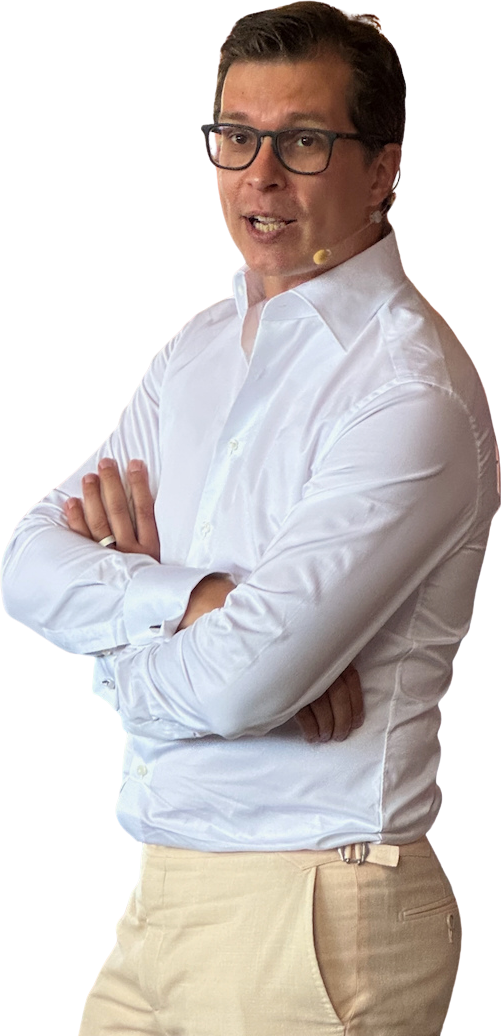
 Polle de Maagt
  Polle de Maagt
In February 2009 I sat on a panel about a new Vodafone-backed study of how the Netherlands lives its day. This is my report from that morning.
What the study found.
The Leefritme Kenniscentrum, a knowledge centre on the rhythm of daily life supported by Vodafone, presented its first study at WhiteSpace Amsterdam: Het ritme waarop Nederland leeft (The rhythm of life in the Netherlands). Studies on how the Netherlands works and moves were planned for later that year.
Few of the findings were new. “Do not put off until tomorrow what you can do today” still held: people with an early-action style reported the most pleasant rhythm and the strongest sense of happiness. Avoiding traffic jams had become one of the biggest contributors to happiness. The mobile tools people valued most were the ones that gave them control over their time and tasks. Daily rhythms were becoming more individual, most clearly among young people. And being on the move and multitasking created a need for tools to manage a fragmented day.
What the panel added.
Bas Haring, Lodewijk de Waal, Jeroen Hoencamp of Vodafone and I discussed three propositions, chaired by Frenk van der Linden. Researcher Philip De Wulf added the data.
Flexible working is not tied to a place, but congestion and facilities in the Randstad push it there first. Younger people choose a blurrier line between work and private life. Culture and good colleagues matter to them. Haring pointed out that the strict split is recent: the baker used to live above his shop, the farmer worked next to his house.
Two things bothered me. De Wulf dismissed Twitter as people talking about nothing at all. A risky remark from the person leading research into changing daily rhythms. And the study had not looked at differences between cultures.
A Vodafone knowledge centre?
A telecom company funding research into technology and daily life sounds like a brand recommending its own product. The Dutch have a saying for it: “Wij van WC-eend adviseren WC-eend”. But none of the panellists had been briefed, Hoencamp included, and Van der Linden pressed him hard on whether this was really about money. The set-up felt independent.
My doubts were about the online platform. It promised interactivity and a knowledge bank. In practice there was a public report and a meagre poll. I wanted to see how it would meet its own goal: tools that help people set their own daily rhythm. And I wanted more parties involved, such as lifehacking.nl and CreativeCrowds.
Meanwhile, on Twitter.
Reflection · 3 min readCan you do things differently to be less busy?AI helps us do more in less time.The platform De Wulf dismissed hosted a better discussion that same morning. People said mobile work gave them flexibility, a sense of being their own boss and more room to respond to clients. Others said the real brake was employers who did not trust their staff, and that the fix was managing on output instead of presence. One pointed to an insurer in rural Brabant to show it was not a Randstad thing. Two were at home with a young child next to them while they tweeted. Several said the line between work and home is a mindset, not a time or a place.
Written in 2009, left as it was. Where I took it later: I work in a different time zone.
Original: Invloed van technologie op ons leefritme onderzocht, 13 February 2009. Study: Leefritme Kenniscentrum, Het ritme waarop Nederland leeft (2009). Historical links may no longer work.