 Polle de Maagt
  Polle de Maagt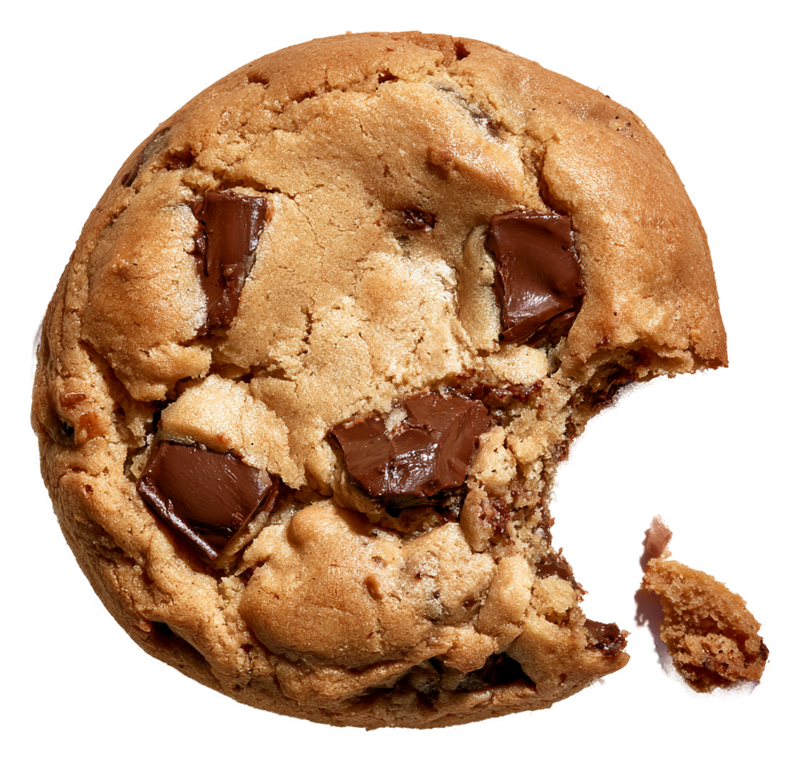
Story.
We were staying at Hof van Saksen, our favourite holiday park at the time. Two adults, two kids. We ordered a drink at one of the restaurants: a tea, two orange juices and an alcohol-free beer.
The waiter put three cookies next to the tea.
I marvelled at the brilliance of the moment. The difference between one cookie and three is the difference between life and living hell.
What they did.
The waiter did not follow the rule “one cookie per cup”. He looked at the table and saw who would want a cookie.
Why it works.
Take the one-cookie scenario. Cookies are kid magnets. The kids start bickering about who gets it. Splitting it in three is hardly worth trying and leads to a discussion about who got the bigger part. At best, it gets split in two and the kids accept their half. At worst, they fight.
One thing is certain: the person who ordered the tea is not getting a cookie.
The first five minutes are a hassle. And if the first five minutes start with a fight, chances are slim the family stays all afternoon.
Two extra cookies cost almost nothing. They bought a relaxed table and a longer stay.
Try it yourself.
Do not look at the order. Look at who is at the table.
The standard serving is designed for one customer. Your customers often come in groups: families, colleagues, couples. Ask what the smallest extra is that prevents friction for the whole group.
Pick one standard portion, pack or amenity. Ask what happens when a family of four receives it. Adjust one thing.
Source: our stay at Hof van Saksen and my original post of March 2020. I have used this example in my presentations ever since. Cookie made with Midjourney.