 Polle de Maagt
  Polle de Maagt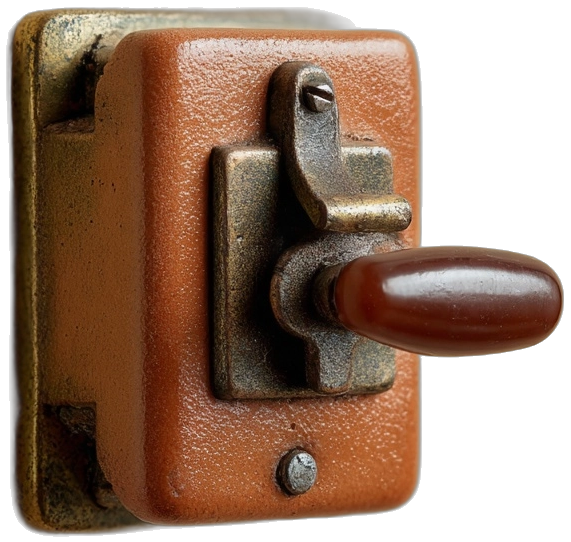
In the summer of 2016, I carried our television up to the attic.
I did not hate television. I happily watched shows that did nothing for my intellectual reputation. But it had become the automatic answer to spare time.
At six in the morning, I would take my daughter downstairs, make breakfast and switch it on. Sometimes she wanted to draw or play with DUPLO. I wanted to stay on the couch.
In the evenings, my wife at the time and I would settle in front of it again. We wanted more time for conversation, reading and games. Television was simply easier.
So we moved it upstairs for a trial period. We could still watch a series on an iPad. We were not banning anything. We were changing what happened without much thought.
Preference is not a plan.
Wanting to read is different from having a book within reach.
Wanting to play a game is different from having one on the table.
Wanting a different evening is different from sitting down in exactly the same place, with exactly the same remote next to you.
The television did not need to become worse. The alternatives needed a better chance.
The experiment was not proof that we had solved family life. Moving a screen does not create a conversation. It changes the next decision you face.
Move the choice earlier.
“Tonight, I will resist the television” leaves the decision until I am tired and already on the couch.
Moving it to the attic makes a different decision earlier. Watching now requires going upstairs or finding another screen. The habit has a pause in it.
The television did not need to become worse. The alternatives needed a better chance.
That is the useful distinction: not removing every temptation, but stopping one option from winning by default.
The same question at work.
Imagine a team that wants fewer meetings but keeps every recurring invitation in its calendar. The ambition has changed. The default has not.
One possible experiment is to give recurring meetings an expiry date. Renew the ones that still serve a purpose. Let the others end.
That is a hypothetical application, not a result from our television experiment. The question is the same: what happens unless someone deliberately chooses otherwise?
Try it.
Pick one thing you want more of. Notice what you usually do instead. Change one part of the setting so the preferred action is easier to start and the automatic alternative takes a deliberate choice.
Keep the change reversible. Review what actually happened, not just whether the new arrangement looked good.
Before your next quiet evening, put the book or game you want to spend time with where you usually put the remote. Move the remote out of reach. See what you choose.
Related: The interface trains you back, on how the things we use encourage particular habits.
Source: adapted from my “We got rid of our TV”, published on Medium on 3 August 2016. The original describes the start of a trial period, not its long-term outcome. Toggle switch made with Midjourney.