 Polle de Maagt
  Polle de Maagt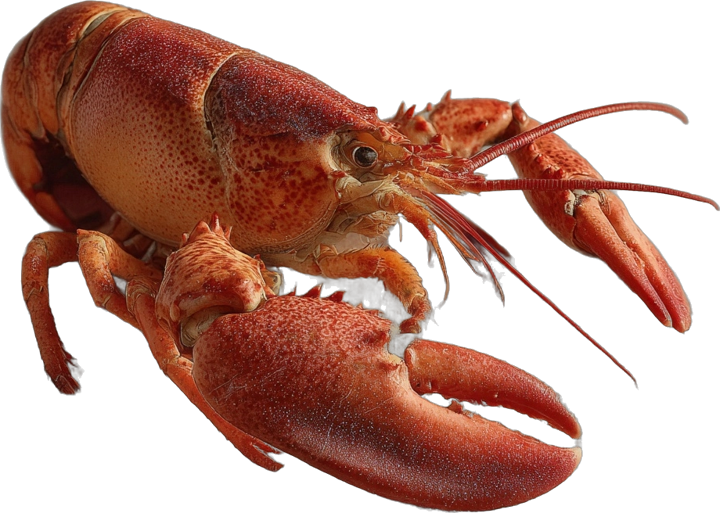
Hard things are hard.
David Axelrod, Barack Obama’s campaign strategist, gave him a plaque with those words during the fight to pass the Affordable Care Act. I heard the story on Pod Save America.
It is an obvious truth. It is also easy to forget.
We live in a world that promises instant, frictionless and hassle-free. When something feels uncomfortable, we quickly assume something has gone wrong. Sometimes it has. Sometimes the discomfort means that the thing which used to fit no longer does.
How a lobster grows.
Rabbi and psychiatrist Abraham Twerski explained this through the way a lobster grows (watch him tell it on YouTube).
A lobster has a soft body inside a rigid shell. The shell protects it, but it does not expand. As the lobster grows, the shell becomes tight. Pressure builds. The lobster hides under a rock, casts off the old shell and produces a larger one.
Then it grows again. The new shell becomes uncomfortable. Back under the rock. Shed. Replace. Repeat.
Twerski jokes that lobsters would never grow if they had doctors. The moment the pressure appeared, they would be given something to make the discomfort disappear. The old shell would remain.
A shell that is too small.
His point is not that stress is always good. Burnout, danger and structural problems are not growth opportunities that people should simply endure.
The useful question is different: is this discomfort telling me that something is wrong, or that my current shell has become too small?
A role can become too small. A way of working can become too small. A belief about yourself can become too small.
Growth does not only mean adding more. Sometimes it means finding cover, becoming vulnerable for a while and leaving behind something that once protected you.
Hard things are hard. Some of them are also the signal that it is time for a bigger shell.
First published on polledemaagt.com in May 2020, rewritten in September 2026. The lobster story is Abraham Twerski's. Lobster made with Midjourney.