 Polle de Maagt
  Polle de Maagt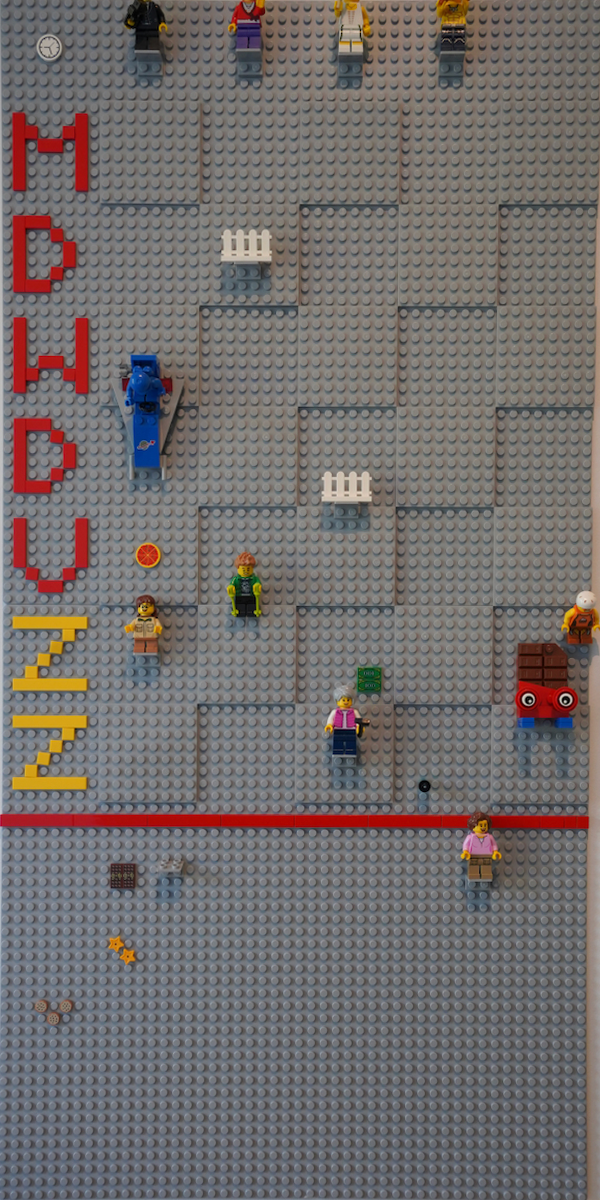
Story.
From early on, I did a lot of things together with my kids. But I also decided quite quickly that I did not want to be the family’s Chief Clown Officer.
“I’m bored. You come up with something” was not going to be our default arrangement.
Bring me an idea and I’m happy to join: going outside, dancing in the rain, playing a game, or whatever else we could think of together. I wanted to do things with them, not be permanently in charge of their entertainment.
Part of that was giving them a little more control over their own days. What is happening this week? What are we looking forward to? And where is there room for something we want to do?
Their idea for making that visible: LEGO.
So we built a week planner on the wall. Everyone had their own column. Instead of just being told the plan, the kids could help build it. Literally.
That turned out to be the whole point. A plan you are handed is something to follow. A plan you build yourself is something you look after.
How to run it.
- Start with the questions: what is happening this week, what are we looking forward to, and where is there room for something we want to do?
- Put grey baseplates on the wall, with small magnets taped to the back. The days run down the left side in brick letters. Ours are Dutch: M, D, W, D, V, Z, Z.
- Give everyone a column, with their minifigure at the top. The days are the rows. Everyone builds their own activities on the day they happen: a fence, a skier, a chocolate bar, a banknote, a small clock.
- Once a week, stand in front of the board together and talk the week through. Keep it as short as you can: ten minutes, a quarter of an hour at most. Our kids sometimes call it the boring quarter of an hour. It still works.
- Keep leftover bricks below the red line, ready to build the next plan.
Modular by design.
LEGO is not just the decoration. It makes the plan easy to change.
The grid stays in place. Activities can move. A new plan does not require a new board. You can replace a piece or build a different symbol from the same bricks.
Enough structure to see the week together, enough freedom to change what goes into it. The board makes the change easy. The weekly conversation is where you decide what to change.
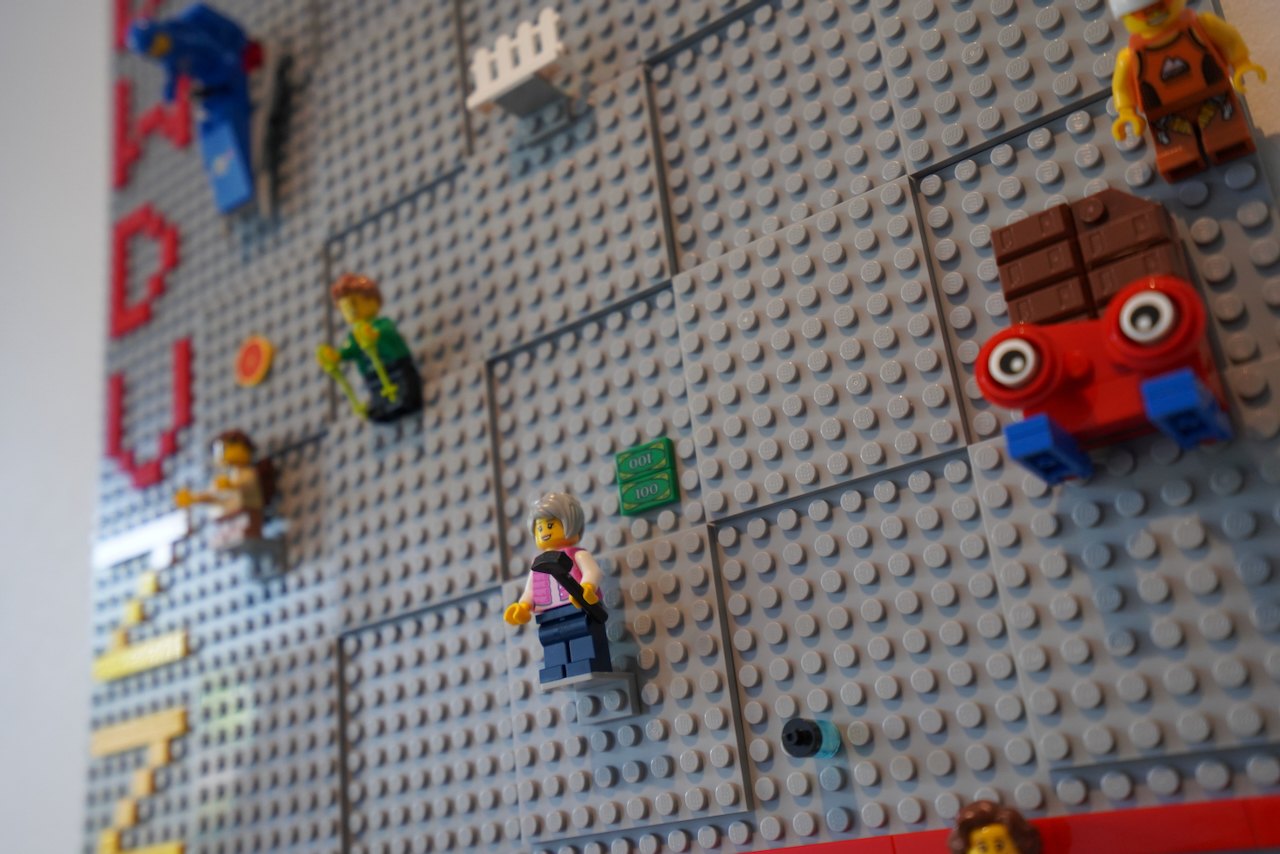
A plan you build yourself is a plan you keep.
Try it with your team.
We never used it at work. But I am convinced it works there too, especially in a smaller team, or one level up: every column a team instead of a person. It is an engaging, frankly fun way to plan a week, and the same thing happens as at home. People build their own part of the plan, so it becomes theirs.
- Build a shared grid for the coming week. One column per person, or per team.
- Agree on a few simple symbols or colours for kinds of work. Keep the meaning readable to everyone.
- Let everyone build their own week. Then look together: where do activities meet, where does someone need help, what has to move?
- Stand in front of it once a week. Change the layout if it no longer helps.
The point is not to replace every planning tool with LEGO. It is to let the people doing the work build the plan together.
Two years later.
We used the LEGO board for two years, with a weekly stand-up. It gave the kids a playful view of what had to happen and a grip on the week.
Since then, we have moved on to post-its. The board was the tool, the weekly look together is the habit. LEGO makes rearranging the plan easy, but the ritual does not depend on the bricks.
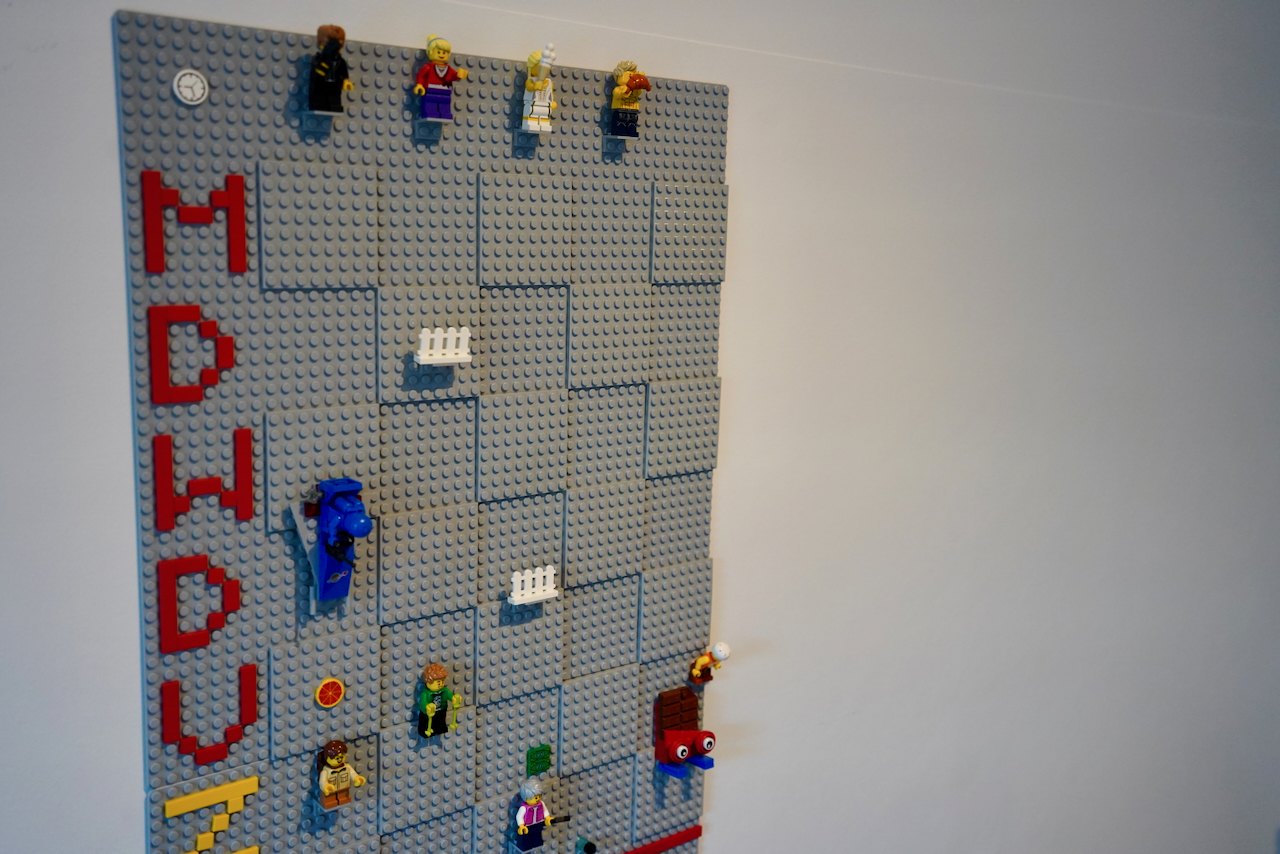
At your next weekly planning conversation, let everyone place and move their own activities on a shared board. LEGO or post-its. Build the plan together instead of presenting it.
The LEGO board was the kids’ idea. First written in October 2026. Photos: our own board.