 Polle de Maagt
  Polle de Maagt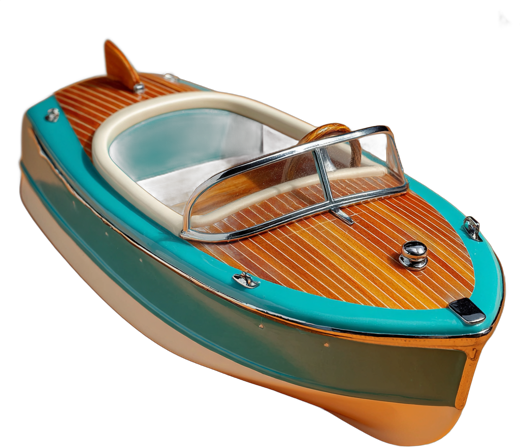
Oil tankers.
In 2012 I gave a talk on why companies kept failing at really implementing social media. The pattern was the same everywhere. A big strategy, a big project, a big promise, a big investment. And then, a year later, a big iceberg.
The companies that did make it work did the opposite. They started small, proved something, and used that proof to go further. I called it the speedboat approach. Rather than failing big, create small wins that build momentum inside the organisation.
Seven steps.
Find one senior sponsor who really wants it.
Not a steering committee. One person high enough up to open doors, who is personally curious. In 2011 I wrote about the mayor of Gent as the city's conversation manager. One keen person at the top changes what everyone below dares to try.
Start small working groups without legacy.
Three to five people, across departments, with no old project to defend. They move faster than any programme office.
Launch below the company radar.
The first pilots should not need a board decision. Small enough to try quietly, visible enough to point at when they work.
Act small and learn from the results.
Pick pilots you can finish in weeks, not quarters. Each one should teach you something, even when it fails.
Work in sprints.
Scrum, agile, a beta mindset: short cycles, a working version early, adjust as you go. Not a plan that is perfect on paper and late in practice.
Turn proof into buy-in.
Every pilot that works is an argument you no longer have to make. Show results, not intentions, and the next budget conversation gets easier.
Propel waves of success.
Line the pilots up so each one builds on the last. One speedboat is an experiment. A fleet is a change in how the company works.
What it looked like at KLM.
Setting up a social media campaign is easy. Getting social into the way a whole airline works is not. One of KLM's strategic goals was exactly that: social, all the way onto the plane. It happened in three waves.
- Awareness. Campaigns like KLM Surprise showed people inside the company that social mattered.
- Operations. Complaints and compliments that came in via Twitter and Facebook were passed on to the crew, so social became part of the service, not only of marketing.
- Scale. Experiments like Meet & Seat and iPads on board gave staff the confidence to take it further.
No single wave changed the company. Together they did.
Why it matters again.
Replace social media with AI and the story repeats itself. Big transformation programmes, big vendor contracts, big promises in the annual report. And, in many places, very little that changed in how people work on a Tuesday.
same iceberg, new tanker
The speedboat approach still works. Pick one to three pilots you can finish in weeks. Measure more than delivery: what got better, what you now know that you didn't, and whose behaviour changed. Show the result, write down what you learned, and choose the next speedboats with that in hand.
Before you approve the big programme, ask: what is the first speedboat, and who is on it?
First drafted in 2012, after my talk "Why we keep failing in really implementing social media".