 Polle de Maagt
  Polle de Maagt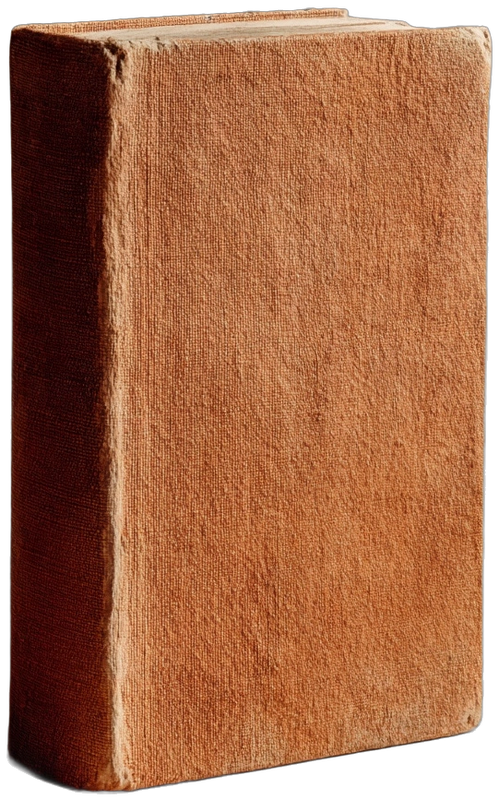
Story.
We play it with the family. It is one of the games where the Van Zummeren trophy comes out, because it is a game built on bluffing.
We use whichever dictionary is at hand. That changes the game a little.
An older dictionary sounds different from a newer one. Your invented definition needs to sound as if it belongs in that particular book. Not just a plausible meaning, but the right language and level of formality.
The better you match the dictionary, the harder it is for the others to tell your definition from the real one.
How to run it.


Invitation.
Explain the goal: fool the others with your fake definition, and spot the real one yourself.
How space is arranged and materials needed.
One table. Whatever dictionary you have at hand, the same kind of paper slips for everyone, and pens. Read a few entries together first to get a feel for the book’s wording and style. Use identical slips so the paper does not give anything away.
How participation is distributed.
Everyone writes a definition every round. The role of reader rotates.
How groups are configured.
One group around the table. With more than ten players, play in pairs.
Sequence of steps and time allocation.
- The reader picks an obscure word from the dictionary, says it and spells it. If someone knows it, pick another word.
- Everyone except the reader writes a fake definition that sounds like it came from this particular dictionary. Match its vocabulary, tone and level of formality. The reader copies the real definition onto a slip.
- The reader collects all slips, shuffles them and reads them aloud without laughing.
- Everyone votes for the definition they think is real.
- Scoring. Each guessing player gets one point for choosing the real definition, plus one point for each vote their fake definition receives. Fooling several people can earn you several points. The reader does not earn points in their own round.
- The reader role passes to the next player. Play until everyone has read once, or until the dictionary wins.
Variations.
- Use words from your own organisation’s jargon instead of the dictionary, as an energizer at the start of a workshop.
- Use obscure place names, and write what the place is famous for.
- Award the Van Zummeren trophy after the game to the best bluff, not the highest score.
At your next family dinner, open a dictionary on a random page and play one round. It takes ten minutes.
A traditional parlour game, played in our family. Old dictionary made with Midjourney.