 Polle de Maagt
  Polle de Maagt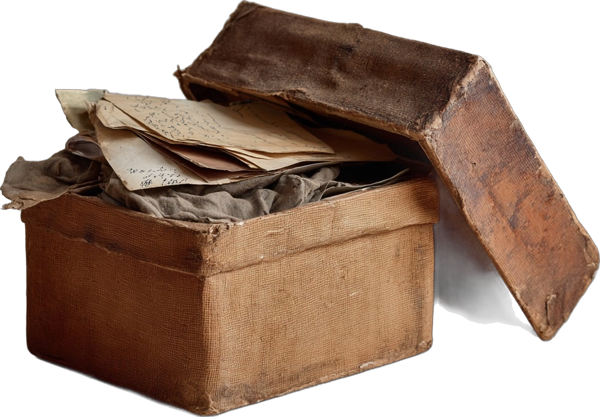
Story.
We are much worse at keeping evidence of what we have already done.
Years ago, I wrote down a blog idea after a conversation with my friend Eleni: “Write your accomplishments like Eleni.” I no longer remember the exact method she used. The thought survived because the problem did.
When something gets difficult, we forget what we can do.
David Goggins calls his version the Cookie Jar. In difficult moments, he reaches back to things he has already overcome. Not to celebrate them, but to use them as evidence: I have done hard things before. I can do this one too.
I keep my own version in two places: a physical shoebox and a digital one.
What goes in.
The format matters less than the habit. Save the message someone sent after you helped them. The photo from something you finished. The problem you solved when you had no idea how. The moment you did the thing you had been avoiding.
Do not only record the result. Record why it was difficult.
“Finished the project” is administration.
“Finished the project after the scope changed twice and the team lost a key person” is proof.
This is not a CV. A CV is written for other people. This collection is for the moments when your own memory becomes unreliable.
Keep it simple.
- Write down what you did.
- Add what made it difficult.
- Save one piece of evidence.
- Read a few before you do the next hard thing.
A to-do list reminds you how much is left. A box of proof reminds you who is doing it.
Tonight, write down one hard thing you finished this year and what made it hard. Put it, with one piece of evidence, in a box.
From a conversation with my friend Eleni, and the Cookie Jar in David Goggins’ Can’t Hurt Me. First written in September 2026. Shoebox made with Midjourney.